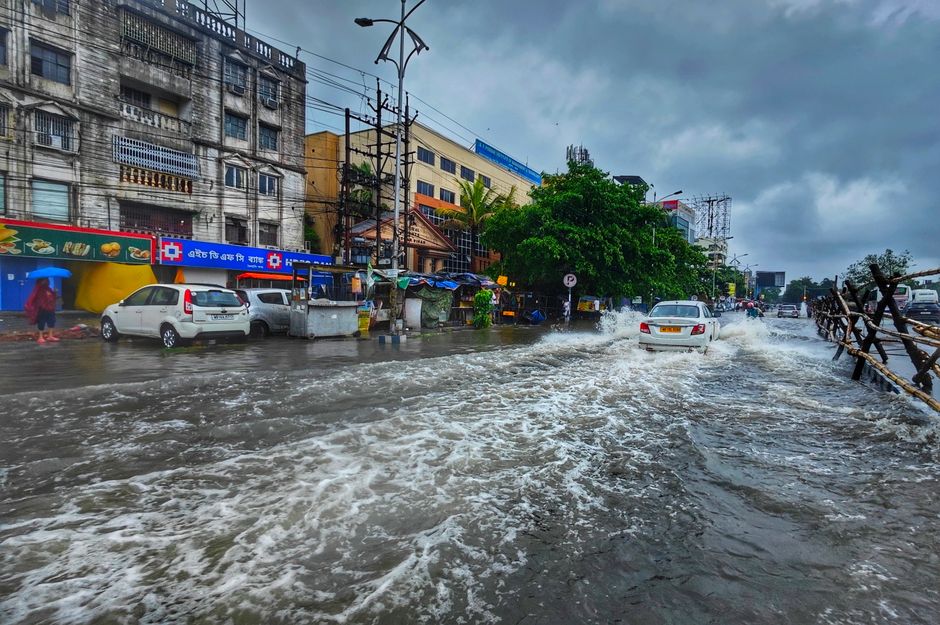
Dr Ayana Elizabeth Johnson, a prominent marine biologist and climate policy expert, has been vocal about the pressing need for actionable solutions to the climate crisis.In her recent discussions and writings, she emphasizes that relying solely on hope is insufficient in tackling the unprecedented environmental challenges we face today.
Source:
ayanaelizabeth.substack.comDuring her acceptance speech for the TIME Earth Award, Johnson shared her thoughts on the dire state of climate change, highlighting that last year was the hottest on record and exemplifying the increasingly severe weather patterns, such as Hurricane Melissa impacting her family's home in Jamaica.
Source:
ayanaelizabeth.substack.comShe challenges the traditional notion of hope by stating, "Fuck hope.What's the strategy?" This provocative statement underscores her belief that practical solutions are necessary to combat climate change effectively.
Source:
ayanaelizabeth.substack.comJohnson argues that we already possess the tools needed to address the climate crisis.Renewable energy sources like solar panels and wind turbines are now the cheapest ways to generate electricity.
Source:
ayanaelizabeth.substack.comShe calls for immediate action to transition to clean energy and restore ecosystems, asserting that we do not need to wait for groundbreaking technology to emerge.
Sources:
ayanaelizabeth.substack.comayanaelizabeth.comMoreover, she stresses the significance of cultural change as a precursor to policy change.Johnson suggests that the cultural narratives around climate change must shift to inspire action and engagement.She believes that stories, films, and popular culture play a crucial role in shaping public perception and motivating individuals to take part in climate solutions.
Sources:
ayanaelizabeth.comthestackspodcast.comIn her book, "What If We Get It Right?Visions of Climate Futures," Johnson invites readers to envision a future where climate solutions are implemented, emphasizing that this vision is not only achievable but essential for creating a world where both people and nature can thrive.
Source:
events.humanitix.comThe urgency of these solutions cannot be overstated.Johnson notes that two out of three Americans rarely hear about climate issues in the news or on social media, creating a dangerous silence that hampers progress.
Source:
ayanaelizabeth.substack.comShe encourages individuals to leverage their platforms, networks, and financial decisions to support climate initiatives.For instance, she suggests divesting from fossil fuels and shifting towards sustainable practices in everyday life.
Sources:
ayanaelizabeth.substack.comayanaelizabeth.comFurthermore, Johnson highlights the interconnected nature of climate change with various societal issues, including national security, food security, and health disparities.She warns that climate change will force millions to relocate as their environments become uninhabitable, disproportionately affecting marginalized communities.
Source:
ayanaelizabeth.substack.comThe work of addressing climate change is not merely an environmental issue; it intertwines with justice, equity, and the health of our communities.Johnson urges that every action, no matter how small, counts in the fight against climate change.By preventing even a fraction of temperature rise or protecting species, we contribute to a healthier planet.
Source:
ayanaelizabeth.substack.comIn conclusion, Ayana Johnson's approach to the climate crisis is one of urgency and action rather than despair.She calls on individuals, communities, and leaders to recognize their roles in fostering a sustainable future.The time for climate action is now, and the solutions are within our reach if we choose to mobilize and act collectively.
Sources:
ayanaelizabeth.substack.comayanaelizabeth.comBy shifting the narrative from hopelessness to one of possibility and collaboration, Johnson inspires a new generation to engage with environmental issues passionately and purposefully.As she aptly puts it, "Act as if you love the future." It's a call to arms for everyone to participate in creating a better world for generations to come.