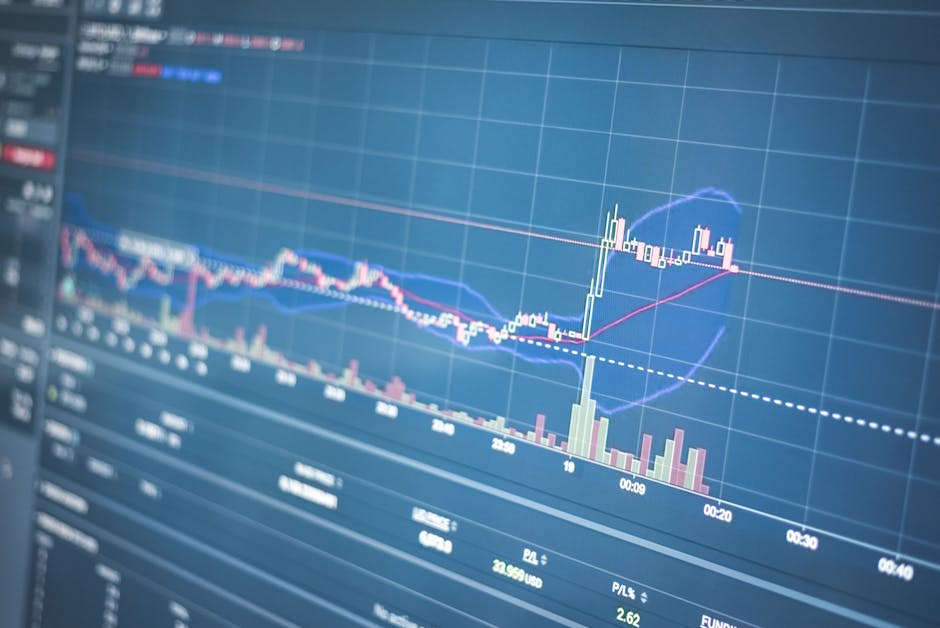
The US stock market concluded a volatile week on Friday, with all major indexes posting back-to-back weekly losses.The Dow Jones Industrial Average retreated by approximately 0.6%, while the S&P 500 and Nasdaq Composite showed slight gains of 0.1% and 0.2%, respectively.
Sources:
finance.yahoo.comuk.finance.yahoo.comOver the week, the S&P 500 experienced its worst performance in several months, closing down by 3.1% due to persistent trade policy concerns that unsettled investors.The Dow fell by 2.4%, and the Nasdaq Composite recorded a significant decline of 3.5%, entering correction territory by finishing a session 10% off its recent high.
Source:
cnbc.comIntel, the chipmaker, was a significant contributor to the week’s losses after it reported worse-than-expected first-quarter earnings guidance.The company swung to a quarterly loss, primarily struggling to meet the demand for server chips used in AI data centers, resulting in a staggering 16% drop in its stock price on Friday alone.
Sources:
uk.finance.yahoo.comsg.finance.yahoo.comThe stock market's decline was compounded by geopolitical factors, including President Trump's controversial pursuit of Greenland and subsequent backtracking on proposed tariffs against NATO allies.Although Trump argued that his actions were beneficial to the market, the prevailing sentiment was one of uncertainty, as investors reacted negatively to the week’s events.
Sources:
uk.finance.yahoo.comsg.finance.yahoo.comAdditionally, a shift away from US assets has been gaining momentum, driven by rising tensions between the US and Europe.The US dollar has been under pressure, while gold and silver prices have surged, with gold heading toward its best week since 2020 and silver surpassing $100 per ounce.
Source:
finance.yahoo.comIn other market developments, there were signs of potential progress in US-China relations.TikTok and its parent company, ByteDance, reportedly finalized a deal with Oracle that allows the app to continue operating in the US Meanwhile, Beijing has instructed major Chinese tech companies to begin preparations for ordering Nvidia's H200 chips, despite existing import restrictions.
Source:
finance.yahoo.comLooking ahead, investors are bracing for a busy earnings week to come, with many high-profile technology companies, including Meta, Apple, Tesla, and Microsoft, expected to report their financial results.The upcoming Federal Reserve meeting is also on the radar, as investors await insights regarding interest rate decisions amidst a cooling labor market and inflation concerns.Fed Chair Jerome Powell is likely to emphasize the importance of economic data in guiding future monetary policy decisions .
Source:
edwardjones.comOverall, the stock market's trajectory remains uncertain as it navigates through a complex web of economic indicators, geopolitical tensions, and corporate earnings reports.As traders keep a close eye on the unfolding situation, they are preparing for further volatility in the weeks ahead.