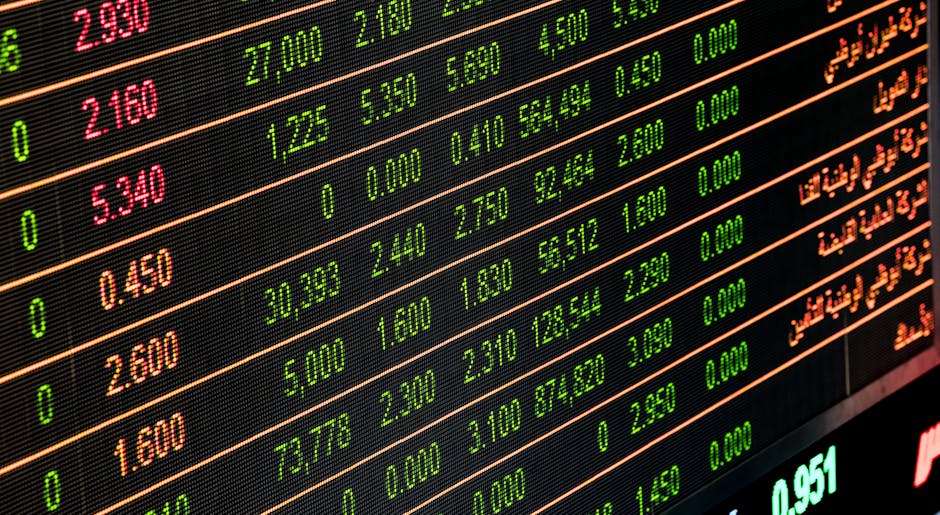
In 2025, US stocks experienced a remarkable recovery, overcoming significant challenges posed by tariffs and political tensions involving former President Donald Trump and the Federal Reserve.The S&P 500 index returned over 18% through December 11, achieving a record high and marking its third consecutive year of substantial gains.
Sources:
finance.yahoo.comtwincitiesbusinessradio.comThe year began with considerable volatility, primarily triggered by Trump's announcement of sweeping tariffs on imports, which he revealed on "Liberation Day" in April.This unexpected move led to immediate concerns about a potential recession and rising inflation, causing the S&P 500 to plunge nearly 5% on April 3, its worst day since the COVID-19 crash in 2020.The following day, the index dropped another 6% as fears of a trade war with China escalated.
Sources:
twincitiesbusinessradio.comwysl1040.comThe tariffs not only affected the stock market but also had broader implications, including a decline in the value of the US dollar and increased anxiety in the Treasury market, traditionally viewed as a safe haven.However, Trump paused the tariffs on April 9 after observing instability in the bond market, which provided some relief to investors.Subsequently, he negotiated agreements with various countries to lower proposed tariff rates, helping to stabilize market sentiment.
Sources:
finance.yahoo.comtwincitiesbusinessradio.comAs the summer progressed, Wall Street saw a significant rally, buoyed by excitement surrounding advancements in artificial intelligence and strong corporate earnings reports.Additionally, the Federal Reserve's decision to cut interest rates three times during the year further fueled market optimism, allowing stocks to recover from earlier losses.
Sources:
twincitiesbusinessradio.comwysl1040.comDespite the positive trajectory, trade-related concerns remained a persistent threat.In October, Trump reignited fears by threatening to impose higher tariffs on China, which caused a temporary dip in stock prices.This ongoing uncertainty highlighted the delicate balance investors had to maintain in navigating the turbulent political landscape while seeking growth opportunities.
Sources:
twincitiesbusinessradio.comwysl1040.comAnother notable aspect of 2025 was Trump's aggressive lobbying for the Federal Reserve to lower interest rates.Traditionally, the Fed operates independently of political influence, making decisions based on economic indicators rather than political pressure.However, Trump's public criticisms of Fed Chair Jerome Powell, whom he nicknamed "Too Late," raised concerns about the central bank's independence.Their contentious relationship culminated in a July confrontation, where Trump accused Powell of mismanaging the Fed's renovation costs, further complicating the economic landscape.
Sources:
twincitiesbusinessradio.comwysl1040.comWhile US stocks soared, many foreign markets outperformed them.The technology sector's growth, particularly in artificial intelligence, significantly boosted markets in South Korea and Japan, with the KOSPI and Nikkei 225 both achieving double-digit gains.European markets also thrived, with Germany's DAX benefiting from increased government spending on infrastructure and defense, while the European Central Bank's interest rate cuts provided additional support to financial markets across the continent.
Sources:
twincitiesbusinessradio.comwysl1040.comCryptocurrencies, known for their volatility, also experienced significant fluctuations in 2025.Bitcoin initially fell due to concerns over Trump's trade policies but later surged as the government expressed support for digital assets.By early October, Bitcoin reached a peak of around $125,000 before experiencing a sharp decline, reflecting the unpredictable nature of the crypto market.
Sources:
twincitiesbusinessradio.comwysl1040.comLooking ahead, many analysts remain optimistic about the potential for further gains in 2026, anticipating that the economy will continue to grow and avoid a recession.Analysts project a 14.5% increase in earnings per share for S&P 500 companies, an acceleration from the previous year's growth.However, concerns linger regarding the sustainability of investments in artificial intelligence and the overall valuation of stocks, which may impact future market performance.
Sources:
twincitiesbusinessradio.comwysl1040.comIn conclusion, 2025 was a year of significant recovery for US stocks, marked by resilience in the face of political and economic challenges.As investors navigate the complexities of the market, the interplay between government policy, interest rates, and global economic conditions will continue to shape the investment landscape in the years to come.