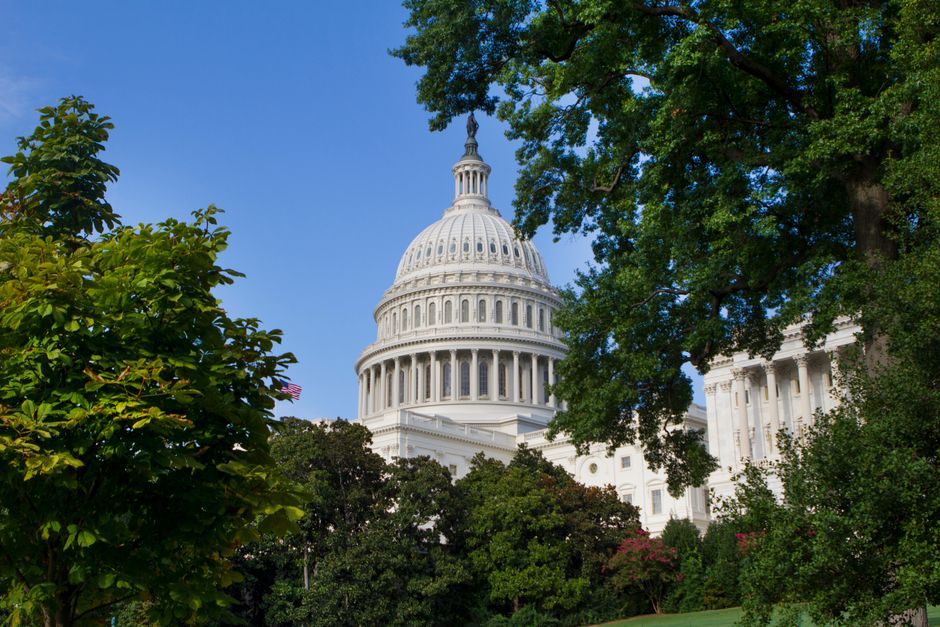
Congressional Republicans have adjourned for the holidays without addressing the impending expiration of enhanced Obamacare subsidies, a decision that has drawn criticism from within their own ranks.As the clock ticks down to January 1, 2026, millions of Americans are bracing for a sharp increase in health insurance premiums, with estimates suggesting that up to 22 million people could be affected by the subsidy cliff.
Sources:
cnn.comnpr.orgThe enhanced premium subsidies, which were initially introduced during the COVID-19 pandemic, are set to expire at the end of the year.This expiration could result in monthly premiums doubling or even tripling for many individuals and families, forcing some to forgo health insurance altogether.
Sources:
npr.orgaol.comGOP Rep.Kevin Kiley of California expressed frustration, stating, "Here we are without a deal enacted, with the subsidies about to expire.I think it's totally unacceptable.It's a failure of leadership, honestly, on both sides."@ [0].Despite calls from centrist Republicans for a bipartisan compromise to extend the subsidies, the party remains divided.Some members argue that the subsidies are a Democratic initiative that has failed and should not be supported with taxpayer dollars.
Source:
cnn.comMeanwhile, others, including GOP centrists, have been vocal about the need to address the financial hardship that the expiration will cause for many Americans.
Source:
aol.comThe House of Representatives departed Washington a day earlier than expected after passing a narrow health care proposal that does not address the subsidy issue.This legislation aims to reduce costs over the coming years but fails to provide immediate relief for those facing rising premiums.
Source:
cnn.comSpeaker of the House Mike Johnson defended the decision to leave without a vote on the subsidies, stating that the rules process would have made it difficult to address the issue before the recess.
Source:
aol.comAs Congress returns in January, a vote on extending the subsidies is anticipated during the first week.Senate Majority Leader John Thune has indicated that there may be a path forward to extend the subsidies if Democrats are willing to accept certain reforms.
Source:
cnn.comHowever, the political landscape is expected to become even more contentious as millions of Americans begin to feel the financial impact of the subsidy expiration.
Source:
npr.orgThe debate over the Affordable Care Act (ACA) and its subsidies has persisted for over a decade, with polls indicating that support for the ACA has grown across the political spectrum.
Source:
npr.orgDespite this, legislative efforts to extend the enhanced subsidies have been met with partisan gridlock, with both sides struggling to find common ground.
Sources:
npr.orgaol.comIn the meantime, some House Republicans have joined forces with Democrats to push for a vote on extending the subsidies, signaling a potential shift in the dynamics of the debate.GOP Rep.Ryan Mackenzie of Pennsylvania, who has supported the Democratic effort, stated, "Speaker Johnson has committed to working with us...I think that this effort has actually generated more conversation keeping this alive for the new year.".
Source:
cnn.comAs the deadline approaches, the pressure is mounting on Congress to act.With the potential for millions to face skyrocketing health care costs, the urgency for a bipartisan solution has never been greater.
Sources:
npr.orgaol.comThe outcome of the upcoming vote in January will be crucial in determining the future of health care affordability for many Americans.The political ramifications of this issue are significant, especially as the 2026 elections loom on the horizon.Both parties are acutely aware that the handling of health care issues could influence voter sentiment in the upcoming midterms.
Source:
npr.orgAs the debate continues, the focus will remain on whether Congress can come together to provide the necessary support for those affected by the impending subsidy expiration.